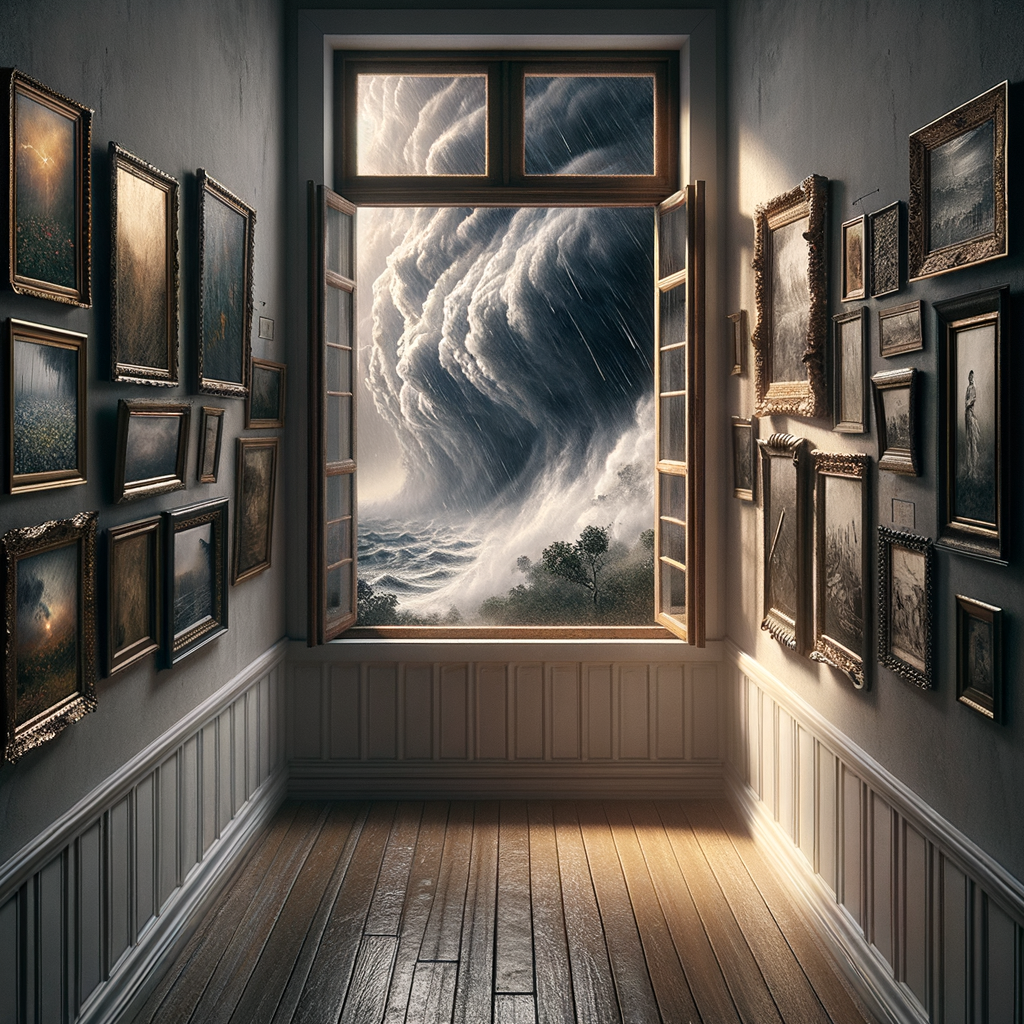
Art isn’t just an expression of creativity; it’s often a valuable investment and a cherished possession. Whether you’re a collector, a gallery owner, or an artist, protecting your art from unforeseen risks is crucial, and securing your art with insurance is recommended. One of the most effective ways to safeguard your collection is through art insurance. This article delves into why art insurance matters, how to select an appropriate policy, and what steps to take if you ever need to file a claim.
Understanding the Value of Art Insurance Coverage
Art insurance provides a safety net for collectors, artists, galleries, and museums against the financial impact of loss, theft, or damage. Unlike general homeowners insurance, which may not fully cover the unique value and risks associated with artwork, specialized art insurance policies are tailored specifically for fine art. This distinction ensures that your cherished pieces are covered for their current market value, considering their uniqueness and potential appreciation over time.
The world of art is fraught with risks that go beyond everyday hazards. Artworks can be damaged during transportation, by natural disasters, or through accidental mishandling. Theft is also a persistent threat, with high-profile cases highlighting the vulnerability of even well-secured collections. By investing in art insurance, you’re not just protecting your assets—you’re preserving cultural heritage and personal history and securing your art with insurance.
Moreover, the peace of mind that comes with comprehensive coverage is invaluable. Knowing that your collection is insured allows you to display, loan, or transport your art without constant worry. This security can encourage collectors to share their works with the public, fostering a richer cultural environment for everyone.
Choosing the Right Policy for Your Art Collection
Every art collection is unique, so finding the right insurance policy requires careful assessment. First, consider the scope of your collection, including the medium, age, and value of each piece. Detailed appraisals from recognized experts can establish accurate values, which are essential for determining coverage limits and premiums. Some policies cater to individual pieces, while others cover entire collections, offering flexibility based on your needs.
When comparing policies, scrutinize what’s included and excluded. Look for coverage that addresses risks such as accidental damage, theft, fire, flood, and even transit losses—especially if your art frequently moves between locations or is exhibited publicly. Some insurers offer “all risk” policies, which provide broad protection, while others may have named perils that only cover specific events. Understanding these distinctions is key to avoiding unpleasant surprises in the event of a claim.
Additionally, take note of the insurer’s reputation and experience with art insurance. Choose a provider with a solid track record and specialized knowledge in fine art. Many established insurers offer risk management advice, helping you implement best practices for storage, security, and environmental controls. This guidance is invaluable, not only for ensuring your art but also for preserving its condition over time.
Steps to File a Claim and Protect Your Artistic Assets
If disaster strikes and you need to file a claim, prompt and organized action can make a significant difference. Start by documenting the damage or loss with photographs, detailed descriptions, and any available police or incident reports. Contact your insurer as soon as possible to initiate the claims process. Many companies have dedicated art claims specialists who understand the nuances involved.
Maintain thorough records for each piece in your collection. Including purchase receipts, appraisals, provenance, and high-resolution images. This documentation will be invaluable for the initial insurance application. And for substantiating any claim. The more detailed your records, the easier it will be to prove ownership and value, expediting the resolution and ensuring you receive fair compensation.
Finally, take preventive measures even after filing a claim. Use the experience as an opportunity to review your security protocols, storage conditions, and insurance coverage. Learning from incidents—whether minor mishaps or major losses—can strengthen your safeguards.
Art insurance is more than a policy—it’s a vital part of responsible ownership and stewardship. By understanding its value, choosing the right coverage, and knowing how to navigate the claims process, you can protect your artistic assets from life’s uncertainties. In doing so, you’re not only securing your investment but also ensuring that art continues to enrich generations to come.