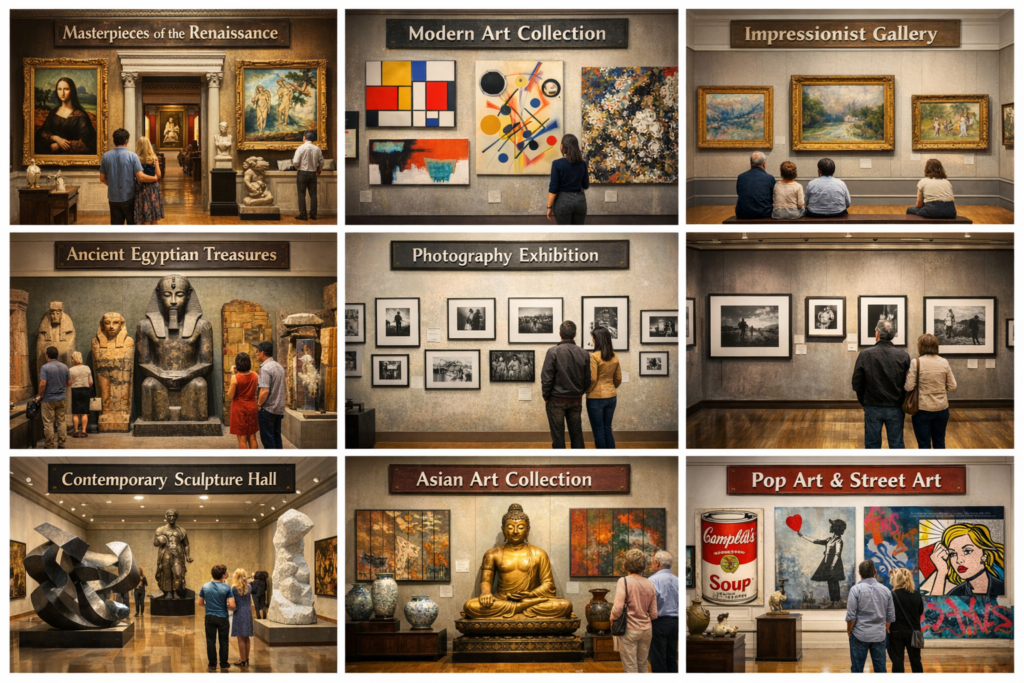
Collecting art is about more than acquiring beautiful objects—it’s an investment in culture, history, and value. But, unlike many other assets, art collections are vulnerable to unique risks that require specialized protection. Ensuring your art collection is an essential step to safeguard these treasures from the unexpected. This article will guide you through understanding the risks, valuing your collection, choosing the right insurance policy, and navigating the claims process.
Understanding the Unique Risks Facing Art Collections
Owning an art collection exposes you to risks that differ significantly from those encountered in other asset classes. Artworks are sensitive to environmental factors such as humidity, temperature changes, and light exposure, all of which can cause deterioration, fading, or damage over time. Theft and vandalism are also prominent concerns, as high-value pieces often attract unwanted attention, both domestically and during exhibitions or transportation.
Natural disasters, including floods, fires, and earthquakes, can cause extensive damage to art collections, sometimes resulting in total loss. Unlike typical household items, restoring or replacing a damaged artwork is not always possible due to its unique and irreplaceable nature. There’s also the risk of accidental damage—something as simple as bumping into a painting or sculpture can have costly consequences.
Collectors must also consider legal and provenance risks. Issues with authenticity, title disputes, and even changing regulations regarding the movement of cultural property can affect the value and insurability of a collection. Understanding these risks is the foundation of a strong art insurance strategy, ensuring you’re prepared for both the expected and the unforeseen.
Assessing the Value of Your Artworks Accurately
Proper valuation is the cornerstone of effective art insurance. Unlike standard possessions, the value of art is subjective and can fluctuate based on market trends, provenance, condition, and the artist’s reputation. Regular professional appraisals are essential to keep your insurance coverage in line with the true value of your collection, especially if you acquire new works or market conditions shift.
Appraisers with expertise in your type of collection—whether modern paintings, antique sculptures, or rare prints—can provide detailed documentation of each artwork. This documentation should include high-quality photographs, descriptions, historical background, and any certificates of authenticity. Detailed records not only support insurance claims but also assist in tracking and recovery if an item is stolen.
It’s also crucial to update valuations periodically, as underinsurance can leave you financially exposed if a loss occurs, while overinsurance may result in unnecessarily high premiums. Working closely with insurers and art professionals helps you strike a balance, ensuring your collection is neither undervalued nor overprotected.
Choosing the Right Insurance Policy for Your Collection
Selecting an insurance policy for your art collection goes beyond simply adding a rider to your homeowner’s insurance. Standard policies may not cover the full range of risks or the true value of your collection. Specialized art insurance policies, offered by companies with expertise in this field, are designed to address the specific needs of collectors.
When choosing a policy, consider coverage for risks such as theft, fire, accidental damage, and natural disasters. Some policies also include protection during transit or when artworks are on loan to galleries and exhibitions. It’s wise to look for policies that offer “all-risk” coverage, which typically insures against all perils except those explicitly excluded in the contract.
Read the policy details carefully, paying close attention to exclusions, deductibles, and claim procedures. Don’t hesitate to ask your insurer for clarification or customization if you have unique requirements. The right policy should not only protect your collection but also provide peace of mind, knowing that your passion and investment are well guarded.
Steps to Take When Filing an Art Insurance Claim
If a loss or damage occurs, swift and organized action is crucial for a successful insurance claim. Begin by notifying your insurer as soon as possible, providing detailed information about the incident. Take photographs of the damage, or document the loss thoroughly, and gather any relevant police or incident reports if applicable.
You’ll need to submit supporting documentation, including your original appraisal reports, purchase receipts, and any certificates of authenticity. Insurers may require an independent assessment of the damage or a verification of the artwork’s value before processing the claim. Cooperation and transparency throughout the process help ensure a fair and timely resolution.
Once the claim is filed, your insurer will review the case and determine the compensation based on the agreed terms and current valuation. If restoration is possible, they may recommend or require qualified professionals to handle the repairs. In cases of total loss, compensation will be based on your coverage and the most recent appraised value. Keeping your records updated and maintaining open communication with your insurer can make the claims process as smooth as possible.
Conclusion
Art collections are more than objects—they’re legacies that tell stories and reflect personal passions. Protecting them with the right insurance requires an understanding. Of unique risks, accurate valuation, and informed policy choices. When the unexpected happens, being prepared with documentation and a reliable insurer ensures that your collection can endure. And continue to inspire for generations to come.